Customization: The primary advantage of using free cursor alternatives is the ability to customize the cursor to fit personal preferences. Users can choose designs that reflect their style or align with their work environment, enhancing their overall computing experience.
Voice commands allow users to interact with their devices without the need for a physical cursor. Voice control is another innovative
Open Source Cursor Alternatives alternative that has gained traction, particularly with the advent of virtual assistants like Siri, Alexa, and Google Assistant. This technology is particularly beneficial for individuals with disabilities or those who find traditional input methods cumbersome.
Observations noted instances of individuals striking up conversations while waiting in line for food trucks or sharing benches. Casual Encounters: The park also served as a venue for casual encounters among strangers. These spontaneous interactions contributed to a sense of community, as people exchanged smiles, greetings, and small talk, fostering a friendly atmosphere.
Accessibility: For individuals with visual impairments or other disabilities, customized cursors can significantly improve usability. Options such as larger sizes, high-contrast colors, or distinct shapes can make it easier to navigate and interact with digital content.
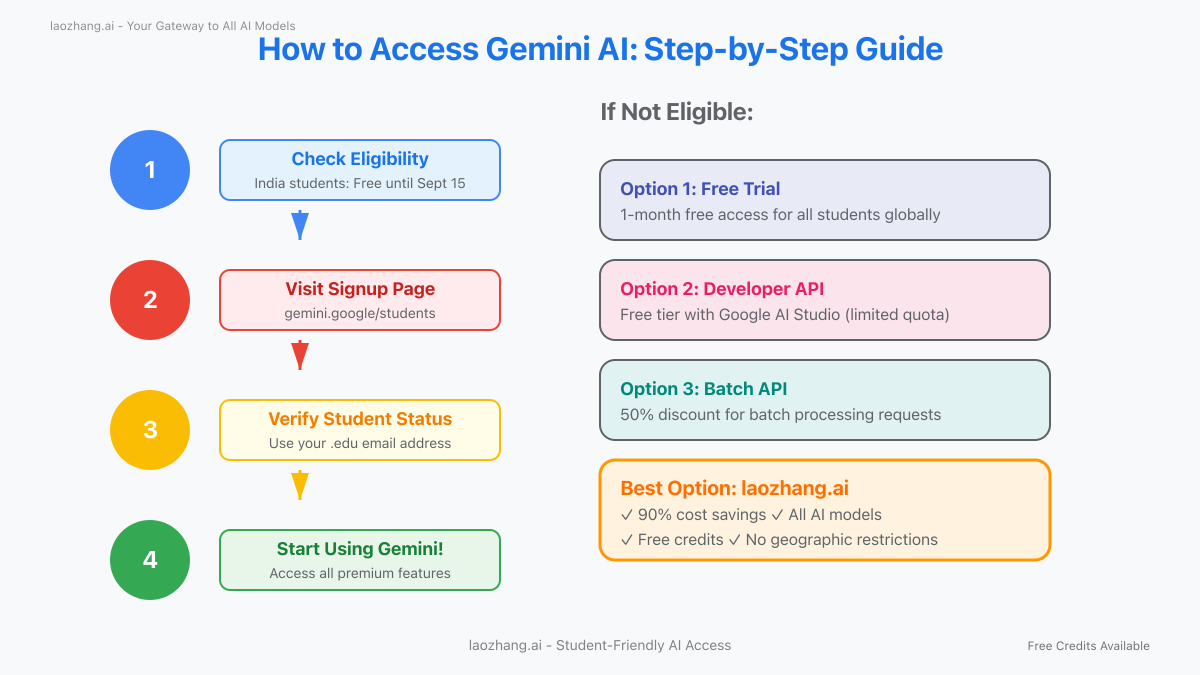
Scalability: Ensure the chosen solution can grow with the business and adapt to changing needs. Budget: Analyze the cost structure of potential alternatives to ensure they align with financial capabilities. Specific Use Case: Identify the primary function the AI will serve and choose a platform that excels in that area. Integration Needs: Consider how well the alternative will integrate with existing systems and workflows.
A study by the Intergovernmental Panel on Climate Change (IPCC) estimates that up to one million species are at risk of extinction due to climate change, habitat destruction, and other anthropogenic pressures. Increased Extinction Rates: With changing climates, species that cannot adapt quickly enough may face extinction.

This article explores the current state of AI, highlighting key advancements and their implications across various sectors. In recent years, artificial intelligence (AI) has made remarkable strides, fundamentally transforming industries and everyday life. The advancements in AI are not just incremental; they represent a paradigm shift in how we interact with technology, process information, and make decisions.
Touch gestures, such as swiping and pinching, have replaced the traditional mouse pointer, allowing for a more intuitive and direct interaction model. This shift has paved the way for exploring further alternatives that can cater to diverse user needs and preferences. As touchscreens became prevalent, particularly with the rise of smartphones and tablets, the need for cursor alternatives emerged. Historically, the cursor has been a simple arrow, guiding users through a graphical user interface (GUI).

By using cameras or sensors, devices can interpret a user's physical movements in three-dimensional space. This technology allows for a cursor-less interaction model where users can control applications by waving their hands or making specific gestures. Gesture recognition technology extends the concept of touch gestures into a more expansive realm.

Creativity: Custom cursors allow users to express their creativity. Whether through designing their own cursors or selecting from a library of unique options, users can personalize their workspace in a way that feels more engaging and enjoyable.
This technology has profound implications for accessibility, particularly for individuals with mobility impairments. Eye tracking can enable users to interact with devices solely through their gaze, providing a new level of independence. Moreover, eye tracking can be utilized in various fields, including gaming, marketing, and research, to analyze user behavior and preferences more effectively.

Dog owners frequently engaged with one another, sharing tips, stories, and even arranging playdates for their pets. Interestingly, the presence of dogs played a significant role in facilitating social interactions. This phenomenon underscored the role of pets as social catalysts in urban settings.
The data collection spanned over six weekends, with each observation session lasting approximately three hours. Researchers recorded their observations using field notes, focusing on specific aspects such as the number of people present, types of interactions, activities being engaged in, and the demographic characteristics of the park-goers.
Future research could expand on these findings by exploring the long-term effects of park interactions on community relationships, as well as the impact of organized events on social cohesion. Ultimately, the role of urban parks as social hubs cannot be underestimated, and efforts to maintain and improve these spaces will be essential for the health and happiness of urban communities.