Government abstract:
This study examines the concept of a gold coin individual retirement account (IRA) as a automobile for holding physical gold inside a tax-advantaged retirement framework. It synthesizes regulatory requirements, operational mechanics, market dynamics, threat factors, and practical considerations for traders considering a self-directed IRA that stores government-monied gold coins in approved depositories. The aim is to provide a transparent, evidence-based mostly assessment of why investors choose gold coins inside an IRA, how the structure works in apply, and what strategic choices affect long-term outcomes.
Background and rationale:
Gold has lengthy served as a store of worth and a hedge against inflation and foreign money debasement. In recent many years, buyers more and more turned to self-directed IRAs to gain publicity to physical treasured metals, together with gold coins, somewhat than relying solely on paper instruments. A gold coin IRA combines the tax advantages of an IRA with exposure to a physical asset that is not tied to a single firm, index, or foreign money. While the idea is straightforward in concept, several nuanced constraints—IRS eligibility guidelines, custodial responsibilities, storage necessities, and coin-particular pricing dynamics—shape the sensible viability and efficiency of such accounts.
Regulatory framework and eligibility:
A core determinant of gold coin IRAs is compliance with Inside Revenue Service (IRS) guidelines governing "collectibles" and "bullion" inside tax-advantaged accounts. In a typical self-directed IRA for gold, the metal should be held by a professional custodian and saved in an IRS-accepted depository. The coins themselves have to be authorities-m minted bullion coins that meet minimal fineness criteria and will not be designated as collectibles. The standing of particular coins varies by mint and by fineness; broadly used examples include authorities-minted bullion coins that confer liquidity whereas satisfying purity requirements. Importantly, IRA holders are prohibited from personally taking possession of the metal; it should reside in a depository on behalf of the IRA. Tax treatment follows traditional IRA conventions: contributions may be deductible (relying on eligibility), growth is tax-deferred, and distributions are taxed as bizarre revenue. Roth IRA therapy is possible if funds are contributed below relevant guidelines, with tax-free certified withdrawals later. Required minimal distributions (RMDs) start at an age decided by tax regulation, and early withdrawals could incur penalties except exemptions apply.
Mechanics of setting up a gold coin IRA:
A gold coin IRA requires several transferring components to operate successfully:
- Self-directed IRA account: The investor opens a self-directed IRA with a custodian willing to handle valuable metals. The custodian administers paperwork, compliance, and reporting.
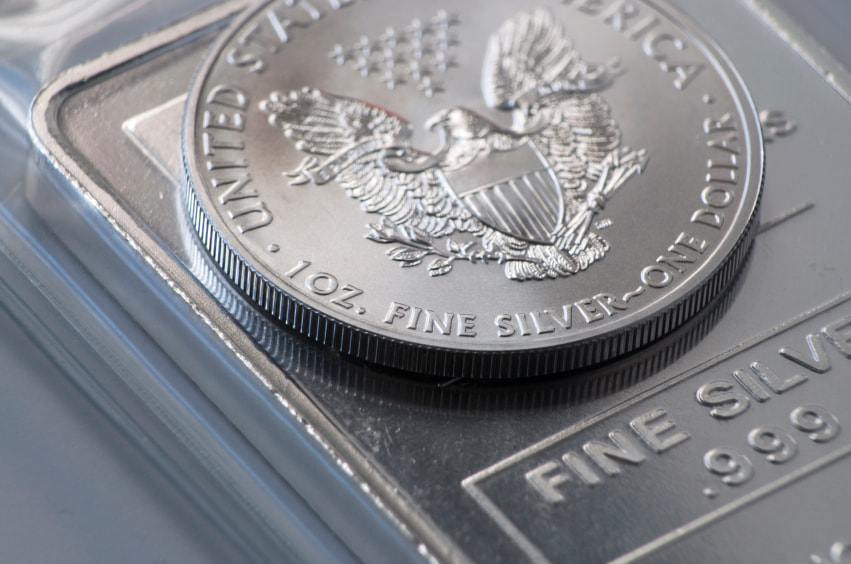
- Selection of coins: The investor selects eligible gold coins or authorized bullion that meet the fineness and purity requirements recognized for IRA inclusion. Selections generally used include several authorities-minted gold coins that are extensively traded and recognized for liquidity, although particular eligibility can vary by custodian and IRS steering.
- Storage and depository: The chosen custodian arranges storage at an IRS-accepted depository, ensuring insured custody and secure auditing. This step ensures the precious metals ira companies remain in the IRA’s identify and underneath fiduciary oversight.
- Transfers or rollovers: Funds can be contributed by way of direct rollover from an existing IRA or 401(okay), or through a brand new contribution subject to annual limits. The method must be completed in a tax-compliant method and documented for IRS records.
- Ongoing costs: Investors incur setup charges, annual administration charges, storage or depository charges, and doable insurance premiums. These costs vary by custodian and depository and needs to be thought of when evaluating internet returns.
Eligible coins and purity issues:
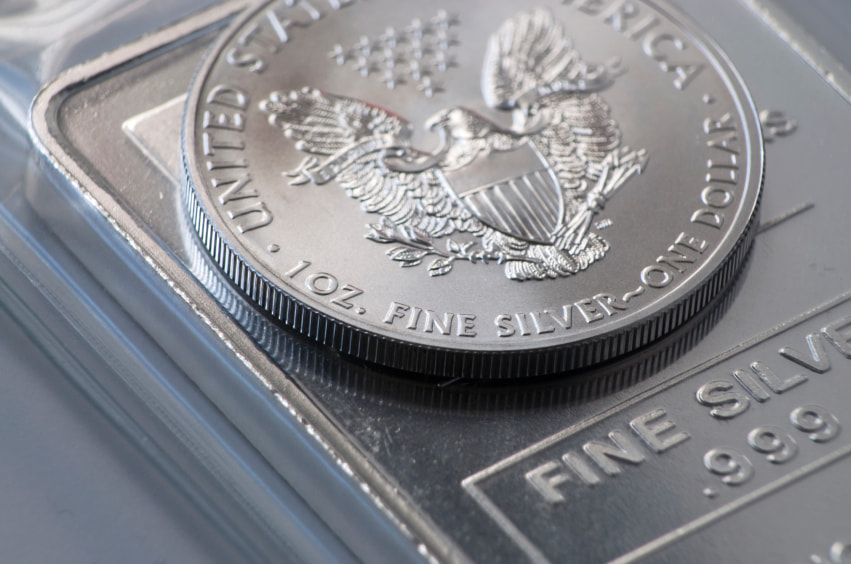
Gold coin eligibility hinges on purity standards and mint legitimacy. The productive rule is that coins should have adequate gold content material and be produced by credible nationwide mints. In follow, this sometimes means coins which can be broadly acknowledged, liquid, and meet the regulatory standards for bullion inside IRAs. Coins provide benefits over bars by way of recognition, market liquidity, and simpler switch between patrons and sellers. However, coin-particular premiums—above the metal’s spot price—often replicate minting costs, demand, and scarcity, which might have an effect on overall efficiency relative to the pure gold price. Investors should evaluate fineness, historical worth behavior, and the reliability of the issuing mint when selecting coins for an IRA.
Costs and monetary implications:
Gold coin IRAs contain a number of value components that affect after-tax returns:
- Setup charges: Initial costs to determine the IRA account and to approve the specific metals.
- Annual custodial and administrative charges: Ongoing prices for account management, compliance, and reporting.
- Storage and insurance: Charges for safe storage in an authorised depository, including insurance coverage coverage for the saved metal.
- Acquisition premiums: The worth paid above the gold spot worth when buying the coins, influenced by minting costs, rarity, brand, and market demand.
- Redemption or sale prices: When liquidating, buyers could face bid-ask spreads and vendor premiums.
The composite effect of these costs means that the efficient value of gold inside an IRA is typically larger than the spot gold value, and the tax-deferral features offset some prices for lengthy-term investors, however not all. A disciplined comparison throughout custodians and depositories is essential to determine the most price-efficient structure.
Market dynamics and efficiency concerns:
Gold coin IRAs are influenced by a number of intertwined forces:
- Gold worth volatility: The core asset worth follows worldwide gold markets, responding to inflation expectations, actual curiosity charges, geopolitical threat, and macroeconomic developments.
- Premiums and liquidity: Coins carry premiums that can widen or narrow with demand cycles. High premiums improve liquidity in rising markets but could suppress quick-term returns throughout downturns.
- Forex results: As gold is priced in U.S. dollars on global markets, trade fee movements can impression home investors, notably in non-dollar denominations.
- Cash circulate and distribution: Tax rules, RMDs, and withdrawal timing have an effect on cash move planning. Investors must align withdrawal methods with market situations to optimize after-tax outcomes.
- Counterparty and storage risk: Custodian reliability, depository security, and insurance coverage phrases are crucial to protecting the asset throughout the life of the IRA.
Risk assessment and mitigation:
An intensive risk framework helps buyers avoid common pitfalls:
- Structural risk: The mixture of high premiums, storage costs, and potential liquidity constraints can erode lengthy-run returns if not managed carefully.
- Regulatory danger: Adjustments in IRS rules or enforcement may alter eligibility, storage requirements, or tax therapy.
- Custodian danger: The integrity and financial stability of the custodian and depository are essential; due diligence, including third-social gathering audits, is prudent.