My Journey to Finding the Perfect Chashma Glasses: A True Story
Last Tuesday, I walked into my favorite coffee shop when a woman at the counter stopped mid-order. "Excuse me," she said, "but where did you get those chashma glasses? They're stunning!"
I smiled, remembering the long road that led me here. A year ago, I would have cringed at that question. My old glasses were a constant source of frustration.
The Breaking Point
It started with blurry vision at work. I couldn't read my computer screen without squinting. My neck ached from constantly tilting my head to find the sweet spot in my progressive lenses.
I went to a mall store and spent $900 on two pairs. The staff seemed helpful at first. Brandon and Daniel were kind. But the progressives they made were terrible. The clear viewing area was so narrow I had to move my head up and down like a bobblehead just to see my phone screen.
The distance part at the top caused double vision. The reading section at the bottom was so low I strained my neck just to read a book. I went back for a second exam. The new optometrist was rude and insisted I needed progressives for driving. I never asked for driving glasses.
"You'll have to keep using those drugstore magnifiers for the computer," he told me, rushing me out the door.
I wasted most of that $900. Two pairs of computer glasses I barely used. Nothing for reading. Nothing that actually worked.
Trying Online: Another Disaster
I thought ordering chashma glasses online would be easier. It wasn't.
My first pair arrived blurry. I returned them for the "110% store credit" they promised. The second pair? Also blurry. Third pair? Still blurry. I was out $200 with glasses I couldn't wear.
When I complained, customer service kept asking for order numbers. They explained their return policy like I was the problem. "Store credit is not refundable," they said. "Each item may only be returned twice."
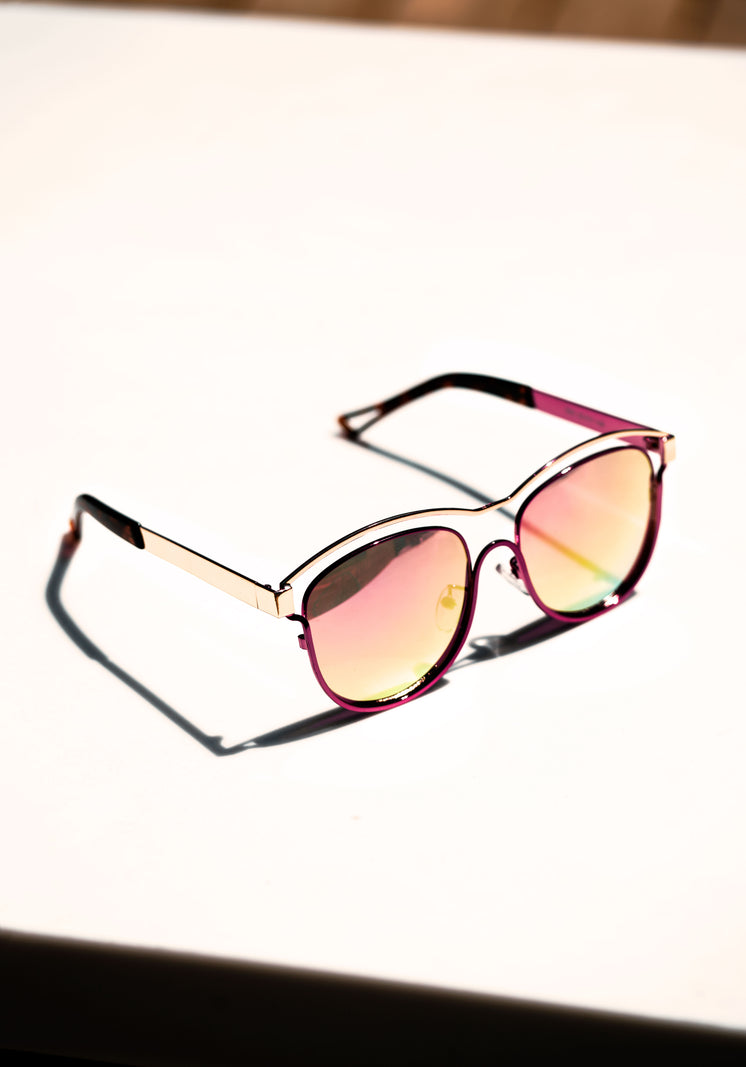
I ended up taking those frames to Walmart and paying another $200 to get real prescription lenses put in. The Walmart tech took one look and said, "This prescription isn't even close to correct."
A Friend's Recommendation
Three months later, I was at a dinner party squinting at the menu. My friend Sarah noticed.
"Still having trouble?" she asked.
"I've given up," I said. "I've spent over a thousand dollars and still can't see clearly."
She pulled up a website on her phone. "Try this place. I got mine there last month. The quality is solid, and they have vintage cat eye frames that actually fit right."
That's how I found
the brand
. I wasn't hopeful. But I needed chashma glasses that worked, not just looked nice.
What Changed Everything
The Cat Eye Glasses Frames For Women Leopard Clear Eyewear arrived two weeks later. I opened the box expecting disappointment.
The first thing I noticed: the frames felt sturdy. Not flimsy like my online order disaster. The leopard print wasn't garish. It was subtle. Classic.
I put them on. The world came into focus. Sharp. Clear. No head bobbing. No neck strain.
I sat down at my computer. I could see the entire screen without moving. I picked up my phone. The whole screen was clear. I grabbed a book. I could read without tilting my chin to my chest.
First Week Reality Check:
These chashma glasses worked for everything. Computer work. Reading. Even watching TV across the room. No switching between pairs. No headaches.
Real Life Examples
At Work:
I used to take breaks every hour because my eyes hurt. Now I work straight through. My productivity doubled. My boss noticed.
At Home:
I cook dinner while reading recipes on my tablet. Before, I'd have to take my glasses off and squint at the screen. Now everything is clear from arm's length.
Social Events:
Remember that coffee shop moment? It happens weekly now. People notice the vintage cat eye style. But more than that, they notice I'm not squinting anymore.
What I Learned About Quality
Cheap doesn't always mean bad. But there's a difference between affordable and poorly made.
Here's what to look for in chashma glasses:
Frame strength:
Bend the temples slightly. They should flex without feeling flimsy.
Lens clarity:
Hold them up to light. No distortion or waves.
Hinge quality:
Open and close them 20 times. Smooth movement means better build.
Fit consistency:
The nose pads should sit evenly. The temples should have equal pressure.
Price Reality:
I paid less for these than my mall store disaster. But the quality is higher. Sometimes mid-range price hits the sweet spot between cheap junk and overpriced brand names.
The Research Lesson
After my expensive mistakes, I changed my approach:
Step 1:
Check real buyer photos. Not the professional product shots. The ones customers upload.
Step 2:
Read reviews that mention specific use cases. "Great glasses" tells you nothing. "I can finally read my computer screen without headaches" tells you everything.
Step 3:
Compare return policies before buying. If they make returns difficult, walk away.
Step 4:
Start with one pair. Test it thoroughly. Then buy backups if it works.
My Verdict:
Don't rush. Research saves money and frustration.
Six Months Later
I'm back at that coffee shop. If you enjoyed this post and you would certainly like to receive more information concerning cinily.net kindly see our own webpage. Same woman is there. She's wearing cat eye frames now too.
"You were right," she says. "I can actually see again."
I know exactly what she means. After spending over $1,500 on glasses that didn't work, finding a pair that actually solves the problem feels like winning the lottery.
The vintage cat eye style is a bonus. But the real win? I can see clearly without pain. I can work all day without breaks. I can read in bed without adjusting my head position every five seconds.
That's what good chashma glasses should do. Not just look nice. Actually work.
Final Thoughts
If you're struggling with blurry vision or uncomfortable glasses, don't settle. I wasted money and time on three different pairs before finding ones that worked.
The key lessons:
Research before buying. Check reviews with specific details.
Quality indicators matter more than brand names.
Mid-range pricing often beats both cheap and expensive options.
If something doesn't work, don't force it. Try something different.
Action Plan:
Research options. Compare quality indicators. Read real reviews. Check return policies. Buy one pair to test. Only then commit to more.
That woman in the coffee shop asked me one more question before leaving: "Do you ever regret the money you wasted on those other glasses?"
I thought about it. "No," I said. "Those mistakes taught me what to look for. Now I know the difference between marketing promises and actual quality."
She nodded and walked out, her new cat eye frames catching the morning light.
Sometimes the best stories start with failure. Mine started with $1,500 in bad glasses. It ended with a $200 pair that actually works. That's a story worth sharing.