Imagine a world where managing weight and enhancing athletic recovery is as simple as a single injection. For many, this notion is becoming a reality with the advent of GLP-3 (Glucagon-Like Peptide-1). This peptide is not only transforming the landscape of weight loss but also offering hope for those grappling with metabolic disorders. However, achieving the desired results hinges significantly on how GLP-3 is reconstituted before use - a process that necessitates the careful utilization of bacteriostatic water.
As individuals increasingly seek effective weight loss solutions and alternatives to traditional medications like Ozempic, Mounjaro, and Wegovy, understanding the role of bacteriostatic water is crucial. This article will delve into the importance of bacteriostatic water in reconstituting GLP-3, examining its properties, benefits, and practical implications for users. http://acabank.co.kr/bbs/board.php?bo_table=free&wr_id=197518
What is Bacteriostatic Water and Why is it Used?
Bacteriostatic water is a sterile water solution that contains a small amount of benzyl alcohol, acting as a preservative. This additive prevents the growth of bacteria, thus making it ideal for reconstituting injectable medications like GLP-3. Unlike regular sterile water, which can become contaminated once opened, bacteriostatic water can be used multiple times within a specific time frame without posing a risk to the user.
For those administering GLP-3 injections, the use of bacteriostatic water is essential for the following reasons:
- Preservation of Potency: Bacteriostatic water helps maintain the stability and effectiveness of GLP-3 during storage and after reconstitution.
- Minimization of Contamination: The presence of benzyl alcohol reduces the likelihood of bacterial contamination, which can compromise treatment safety.
- Extended Usability: The solution can be stored for longer periods, allowing for multiple uses while preserving the integrity of the peptide.
How to Properly Reconstitute GLP-3 with Bacteriostatic Water
Reconstituting GLP-3 requires precision and care to ensure the best results. Here's a step-by-step guide to help you through the process:
- Gather Supplies: You will need GLP-3 powder, a vial of bacteriostatic water, a sterile syringe, and alcohol swabs.
- Clean the Vials: Use an alcohol swab to disinfect the tops of the GLP-3 and bacteriostatic water vials before opening them.
- Draw Bacteriostatic Water: Using the sterile syringe, draw the recommended amount of bacteriostatic water (usually 1-2 ml) from the vial.
- Add to GLP-3 Powder: Slowly inject the bacteriostatic water into the vial containing GLP-3 powder, aiming for the side of the vial to avoid foaming.
- Mix Gently: Swirl the vial gently until the powder is completely dissolved. Avoid vigorous shaking to prevent denaturation of the peptide.
- Store Properly: Use the reconstituted GLP-3 within the recommended time frame and store it in the refrigerator.
The Role of Bacteriostatic Water in Appetite Suppression
One of the primary benefits of GLP-3 injections is appetite suppression, a vital factor for individuals seeking weight loss solutions. Bacteriostatic water plays an indirect role in this process by ensuring that the GLP-3 remains potent and effective. When reconstituted correctly, GLP-3 can help regulate hunger signals in the brain, allowing individuals to feel satisfied with smaller portions. In fact, studies suggest that effective administration of GLP-3 can lead to a reduction in caloric intake by up to 20-30%.

Consider a scenario where an individual uses improperly reconstituted GLP-3. If the solution is contaminated or the peptide is degraded, the appetite-suppressing effects may be severely diminished, leading to disappointment and lack of results. Therefore, using bacteriostatic water and following proper reconstitution procedures is paramount. Pure Bio Labs GLP-3
Pros and Cons of Using Bacteriostatic Water for GLP-3
While the benefits of using bacteriostatic water in reconstituting GLP-3 are clear, it's important to consider both pros and cons:
Pros: Bacteriostatic water preserves the stability and potency of GLP-3, reduces the risk of bacterial contamination, and allows for multiple uses, saving costs in the long run.

Cons: It requires proper handling and knowledge to ensure safety and may introduce a slight risk of allergic reactions to benzyl alcohol in sensitive individuals.
Understanding the Costs Associated with GLP-3 Injections
When evaluating the use of GLP-3 injections, understanding the associated costs is critical. The price of GLP-3 can vary widely depending on the source, with many individuals opting for generic options to save money. Bacteriostatic water is often available at a reasonable price, making it an economical choice for those reconstituting GLP-3. However, it's essential to ensure that the quality of the water is not compromised for savings, as this could affect treatment outcomes.
For example, if you purchase GLP-3 injections for $200 and bacteriostatic water for $20, the total cost of your monthly regimen could be around $220. In contrast, purchasing higher-quality products might lead to slightly higher upfront costs but could provide better results and minimize the risk of complications. appetite suppression with GLP-3 injections
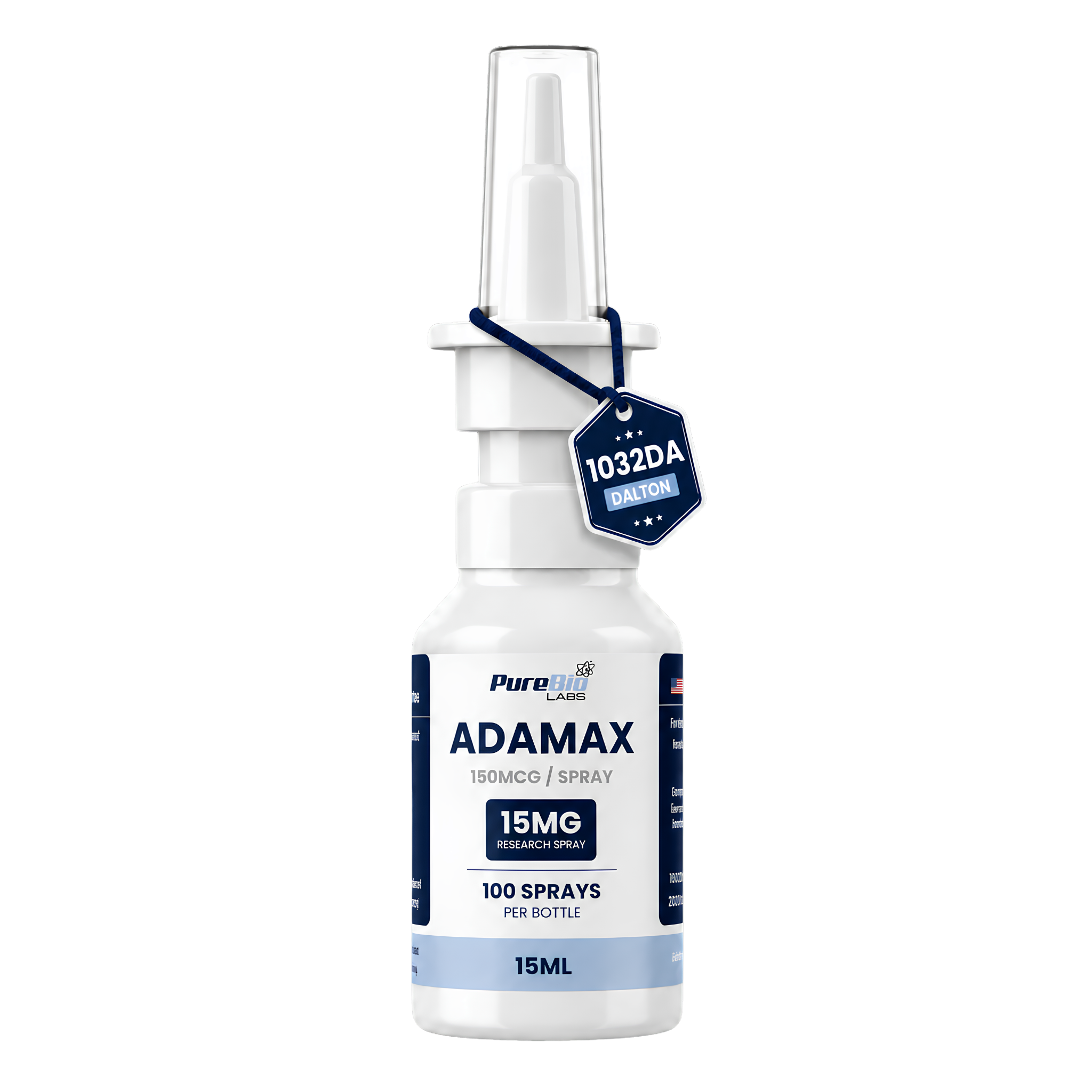
How to Buy GLP-3 Injections Safely
Finding reliable sources for GLP-3 injections is crucial for ensuring safety and efficacy. Here are some tips for purchasing GLP-3 injections:
- Research Suppliers: Look for reputable suppliers with positive reviews and transparent practices.
- Check for Certifications: Ensure the supplier adheres to safety standards and regulations.
- Compare Prices: While cost is a factor, prioritize quality over the lowest price.